
Is Radiology at a Structural Breaking Point? What Will Move It to a Better Future?
The path forward requires much more than whack-a-mole point solution replacement. It requires a more critical look at redesigning the entire workflow architecture
The path forward requires much more than whack-a-mole point solution replacement. It requires a more critical look at redesigning the entire workflow architecture
The next wave of radiology AI value will come from closed-loop follow-up. An actionable finding should start a pathway with a measurable end state: the follow-up exam is completed, the referral is completed, or the recommendation is clinically resolved with a documented rationale.


Healthcare payments are no longer about transactions. It’s about controlling the revenue cycle. And increasingly, that control is not sitting with ISOs.
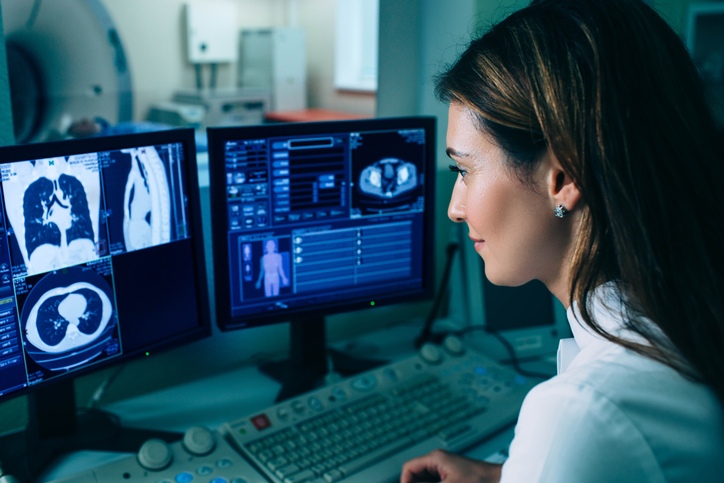
Israeli clinical AI startup Aidoc raised $150 million in a funding round led by General Catalyst and Square Peg, with participation from four U.S. health systems. The company has more than 150 health system customers.

Volpara Health CEO Teri Thomas thinks AI will shape the future of radiology. This belief is a major reason why Volpara combined with South Korean AI company Lunit earlier this year, she said.

GE HealthCare made a slew of announcements at RSNA 2024, including an acquisition, new machines for mammography and SPECT/CT imaging, and new AI features to help improve radiologist workflows.

Philips is showcasing its partnerships and new products at RSNA 2024, including an expanded collaboration with AWS and a CT scanner that the company said uses up to 80% less radiation than traditional systems.

Healthcare decision-makers, especially at pharmaceutical companies, must prioritize patient input. Data collected from social media listening is a significant step in the right direction.

Qure.ai — which is headquartered in India — closed a $65 million Series D financing round. When asked whether the startup is thinking about a public exit anytime soon, CEO Prashant Warier said that for now, the company’s focusing is on continuing to build its market globally and “venturing deeper into meeting the healthcare challenges of the U.S.”
About 80% of all FDA-approved healthcare AI applications are related to radiology — but due to a massive workforce shortage, radiologists don't have the time to explore, choose, validate and implement the tools available to them. Some providers are using a radiology AI marketplace called CARPL to address this problem, including Massachusetts General Hospital and University Hospitals.
Dr. Wendaline VanBuren, a radiology chair at Mayo Clinic, thinks that AI is in the beginning stages of improving radiologists’ workflows. Some of the most developed radiology AI research projects at Mayo center on image segmentation and 3D printing, she said. In the future, she’s excited to see more tools that aid radiologists in triage and lesion measurement.
The AI tools that radiologists need the most are ones that integrate their workflows and make it easier to access past images, said Dr. Jocelyn Chertoff, radiology chair at Dartmouth Health. When adopting AI to address their workforce shortage, hospitals need to involve clinicians early-on in decisions about what new tools to implement, she also noted.

We are taking a look at how health insurers are using AI, defining success, and managing cybersecurity risks. Give us your opinions by completing our brief, anonymous survey.
Laying AI functions on top of already outdated systems or relying on separate solutions that do not play into the unified stack system––especially given the volume of data, delicate privacy issues and the need for constant updates––does not optimally contribute to the advancement of radiology.
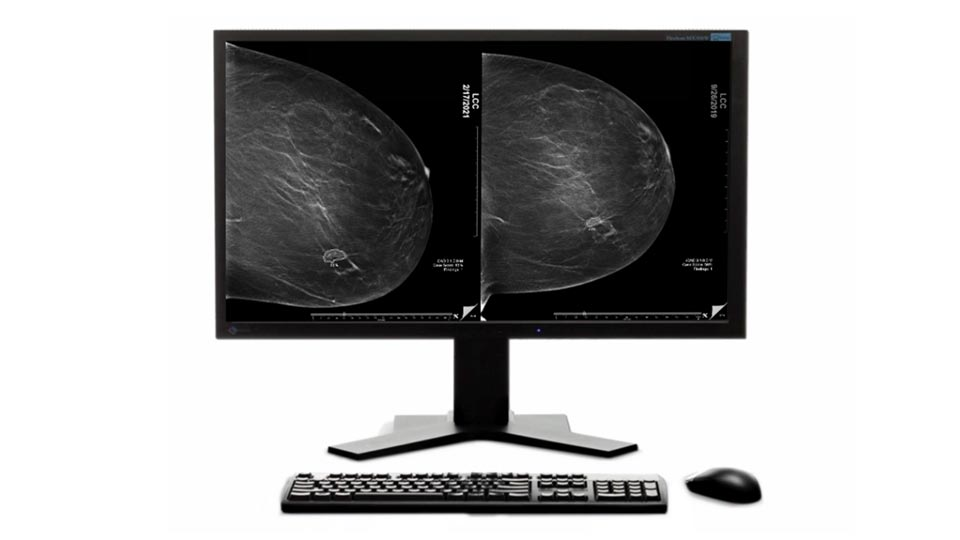
At RSNA 2023, GE HealthCare announced the launch of a new AI suite designed to simplify radiologists’ workflows when reading mammograms and help them detect breast cancer in patients sooner. The new offering includes three AI tools made by iCAD.

Two of Philips' most notable RSNA announcements were that its new cloud-based PACS is available and that its helium-free mobile MRI system will soon be deployed. More than 80 sites across the U.S. and Latin America have already migrated to Philips' new PACS, and its mobile MRI system will be traveling to various cities next year.

At RSNA 2023, AI startup Hoppr announced that it teamed up with AWS to launch a new foundation model. The product, named Grace, is a B2B model designed to help application developers build better AI solutions for the medical imaging field — and to build them more quickly.

AI may transform health care across the board, but not by itself. It's a tool, and like any tool, it will work more effectively and more safely in trained hands. As the AI revolution continues to grow, we believe organizations should invest in that training now.